


In today’s fast-paced business environment, the success of any project often hinges on one critical factor: effective integration. Whether you’re managing a small team or leading a large-scale initiative, the ability to seamlessly connect various elements-from resources adn stakeholders to processes and technologies-can make or break your project. Integration is not just about aligning tasks; it’s about creating a cohesive framework that supports collaboration, mitigates risks, and drives results. In this article, we’ll explore best practices for enhancing project success through effective integration strategies. By leveraging these insights, you can foster a more dynamic project environment, leading to improved outcomes and greater stakeholder satisfaction.Join us as we delve into the essential techniques and tools that can transform your project management approach and pave the way for remarkable achievements.
Table of Contents
- Identifying key stakeholders for Successful Project Integration
- Establishing Clear Communication Channels to Foster Collaboration
- Utilizing Technology Tools to Streamline Integration Processes
- Implementing Continuous Feedback Loops for Ongoing Improvement
- Key Takeaways
Identifying Key Stakeholders for Successful Project Integration
Identifying the right stakeholders is essential for achieving seamless project integration. Stakeholders can vary from project to project, but recognizing their roles, interests, and influences is crucial for collaboration. Consider the following groups when identifying stakeholders:
- Project Team Members: Those directly involved in the project’s execution, including managers and team leads.
- Clients and sponsors: Individuals or entities that have a vested interest in the project’s success, frequently enough providing funding or resources.
- End Users: The ultimate recipients of the project deliverables who will utilize the final product or service.
- Regulatory Bodies: Organizations that ensure compliance with legal and industry standards essential for project approval.
- Suppliers and Vendors: External partners critical for providing tools, materials, or expertise needed throughout the project.
Once stakeholders are identified,effective communication plays a pivotal role in fostering collaboration. Establish clear channels for feedback and updates, allowing each stakeholder to express their expectations and concerns. A simple stakeholder engagement matrix can assist in visualizing their influence and interest levels, ensuring thay are prioritized accordingly. Here’s an example of a basic matrix you might consider:
| Stakeholder | Influence Level | Interest Level | Engagement Strategy |
|---|---|---|---|
| Project Team | High | High | Regular meetings and feedback loops |
| Clients | High | Medium | Scheduled updates and review sessions |
| End Users | Medium | High | Focus groups and surveys |
| Regulators | High | low | Compliance reviews and reports |
Establishing Clear Communication Channels to Foster Collaboration
Effective collaboration hinges on the establishment of clear communication channels that facilitate the free flow of information among team members. By implementing streamlined processes, teams can minimize misunderstandings and avoid the chaos that frequently enough accompanies complex projects. Key strategies for achieving this include:
- Regular Check-ins: Schedule weekly meetings to discuss progress and address any emerging issues.
- Dedicated Communication Tools: Use platforms like Slack or Microsoft Teams to encourage spontaneous discussions and rapid resolution of queries.
- Documentation Practices: Maintain a centralized repository of project documents accessible to all team members for openness and clarity.
Moreover, understanding the specific communication preferences of team members can enhance overall collaboration. It’s beneficial to foster an environment where feedback is encouraged and valued. Consider setting up a table to categorize communication styles, which can definitely help team leaders tailor their approach:
| Team Member | Preferred Communication Style | Best Ways to Engage |
|---|---|---|
| Jane Doe | Weekly summaries and follow-ups | |
| john Smith | Instant Messaging | Quick updates via chat |
| Alice Brown | Face-to-Face | Monthly brainstorming sessions |
Utilizing Technology Tools to Streamline Integration Processes
In the ever-evolving landscape of project management, leveraging technology tools can substantially enhance the efficiency of integration processes. Utilizing software solutions designed for project collaboration, such as Asana, Trello, or Microsoft Teams, enables teams to share information seamlessly. These platforms offer features that allow members to track progress, assign tasks, and consolidate feedback in real-time. By centralizing communication and documentation, project teams can reduce miscommunication, clarify roles, and ensure everyone is aligned on goals and timelines.
Moreover, adopting automation tools is crucial for streamlining repetitive tasks that can slow down project momentum. Consider using Zapier or Slack integrations to automate data transfers between various applications. This not only saves time but also minimizes the risk of human error. A well-structured approach to integrating these technology tools can involve:
- Identifying key integration points: Assess areas where technology can have the most impact.
- Training team members: equip your team with the necessary skills to navigate the tools effectively.
- Setting measurable goals: Define clear objectives for what you want to achieve through integration.
| Tool | Purpose | Beneficial Features |
|---|---|---|
| Asana | Task Management | Progress Tracking,Task Assignment |
| Trello | Visual Organization | Drag-and-Drop Interface,Checklists |
| Zapier | Automation | workflow Automation,App Integration |
implementing Continuous Feedback Loops for Ongoing Improvement
To foster a culture of ongoing improvement within your project framework,implementing continuous feedback loops is essential. These loops facilitate regular check-ins and assessments, allowing teams to discover what works and what needs adjustment in real-time. Incorporating feedback at multiple stages can be achieved through:
- frequent team retrospectives: Schedule regular meetings after project phases to discuss successes and areas for growth.
- Surveys and polls: Utilize anonymous data collection tools to gather insights from all stakeholders.
- One-on-one check-ins: Encourage open dialogues between team members and leadership, creating space for individual perspectives.
Utilizing technology effectively can enhance these feedback loops further. Consider employing project management tools that allow for seamless input and tracking of feedback-rich conversations. A structured table can help organize and prioritize the feedback received:
| Feedback Source | Feedback Type | Action Required |
|---|---|---|
| Team Retrospective | Process Improvement | Adjust timeline estimates |
| Anonymous Survey | Team Morale | implement wellness initiatives |
| Leadership Check-in | Resource Allocation | Reassess team roles |
Key Takeaways
Conclusion
In today’s fast-paced and ever-evolving business landscape,the success of projects hinges significantly on effective integration. By embracing the best practices we’ve discussed-fostering open communication, leveraging the right tools, establishing clear roles and responsibilities, and maintaining robust stakeholder engagement-organizations can enhance their ability to deliver projects that meet or exceed expectations.
remember,integration is not simply a phase in the project management lifecycle; it is an ongoing commitment to clarity and collaboration throughout the entire process. As you implement these strategies, take the time to reflect on your team’s unique dynamics and organizational culture to tailor these practices in a way that will resonate most effectively.
As you embark on your next project, keep these principles in mind, and set the stage for success through seamless integration. By doing so, you’ll not only improve outcomes but also cultivate an environment where teams thrive, ideas flourish, and innovations emerge. Happy project managing!
Related Products
-
Sale!
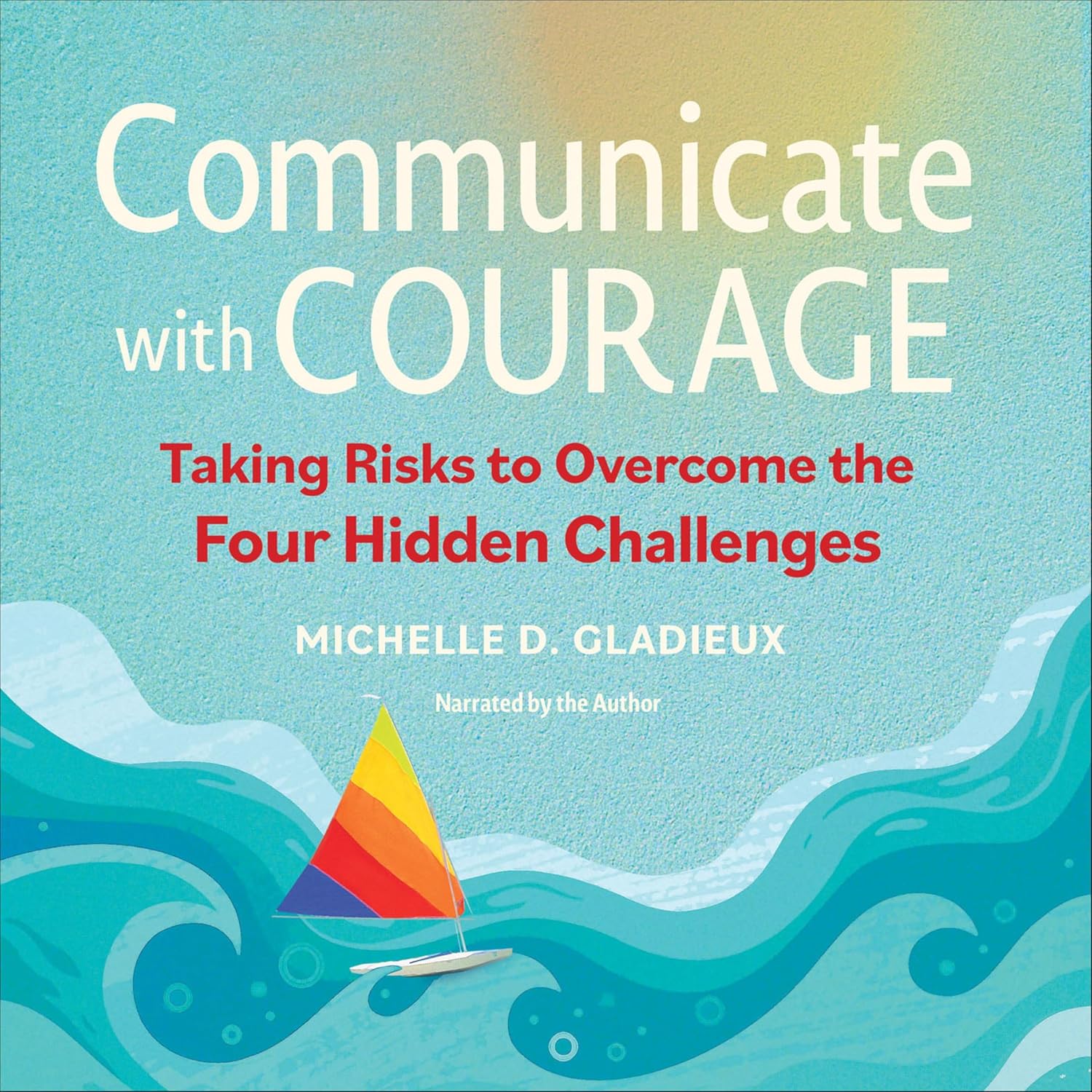
Communicate with Courage: Taking Risks to Overcome…
Product Original price was: $19.99.$3.99Current price is: $3.99. -
The Practical HR Business Partner: A Guide to Crea…
Product $14.95 -
Definitely Not Human – Paranormal Sci-Fi Alien Rom…
Product $0.99