



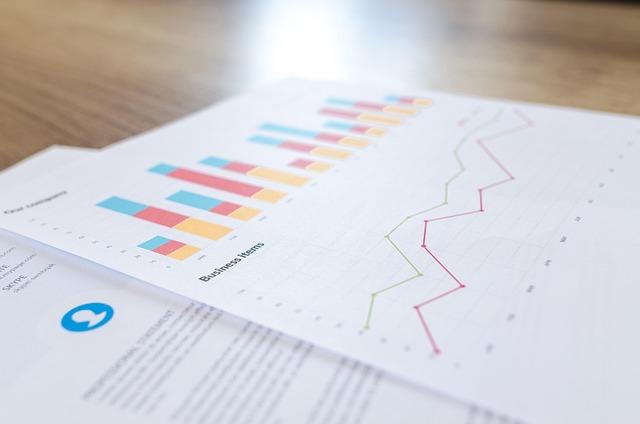
In today’s fast-paced corporate landscape, the interplay between financial reporting and corporate governance has never been more critical. As stakeholders demand greater openness and accountability, organizations are increasingly recognizing that robust financial reporting is not just a regulatory requirement but a cornerstone of effective governance. This article delves into the intricate relationship between financial reporting practices and the principles of corporate governance, highlighting how accurate and timely financial disclosures can enhance decision-making, build stakeholder trust, and ultimately drive organizational success. Whether you are a business leader, a board member, or an aspiring finance professional, understanding these dynamics is essential for navigating the complexities of modern corporate governance.Join us as we explore the pivotal role of financial reporting in shaping the governance landscape and fostering a culture of integrity and accountability within organizations.
Table of Contents
- The Role of Financial Reporting in Enhancing Transparency and Accountability
- Integrating Financial Reporting into Effective Corporate governance Practices
- Navigating Regulatory Standards: Ensuring Compliance Through Accurate Financial reporting
- Best Practices for Executives: Leveraging Financial Data for Strategic Decision Making
- Wrapping Up
The Role of Financial reporting in Enhancing Transparency and Accountability
Financial reporting serves as a critical tool in the corporate governance toolbox, fostering integrity and ethical behavior within organizations. By providing a structured and standardized presentation of financial data, companies can effectively communicate their economic status to stakeholders, which includes investors, regulators, and the general public. This clarity enables stakeholders to make informed decisions based on accurate details, thereby enhancing their trust in the organization. Key components contributing to this transparency include:
- Standardization: Adoption of frameworks such as GAAP or IFRS ensures consistency in reporting.
- Timeliness: Regular updates allow stakeholders to monitor performance and respond to changes swiftly.
- Detail: Comprehensive disclosures uncover the nuances of financial health, revealing underlying risks and opportunities.
Moreover, accountability is heightened when executives and board members recognize that their actions are subjected to scrutiny through precise financial documentation. This heightened level of accountability drives organizations to uphold ethical standards and adhere to best practices in financial management. Organizations that excel in financial reporting often institute a culture of responsibility that aligns the long-term interests of shareholders with operational strategies. Some of the typical practices leading to improved accountability are:
- Independent Audits: Third-party assessments enhance the reliability of reported figures.
- Stakeholder Engagement: Regular consultations with shareholders help align interests and expectations.
- Management Accountability: Clear accountability frameworks ensure that financial outcomes are linked to performance metrics.
Integrating Financial Reporting into Effective corporate Governance Practices
Effective corporate governance relies heavily on transparent financial reporting to build trust with stakeholders and ensure long-term sustainability. A well-structured financial reporting system provides board members and executives with critical insights into the organization’s financial health, enabling them to make informed decisions. This creates a climate of accountability, where performance can be measured against set targets and benchmarks, ultimately fostering an habitat of responsibility and ethical behavior. Important elements of integrated financial reporting include:
- Clarity: Clear financial statements that accurately reflect the company’s operations.
- Consistency: Consistent application of accounting principles to foster comparability over time.
- Timeliness: Prompt reporting that keeps stakeholders informed and minimizes risks.
Moreover, the integration of financial reporting into governance structures enhances the overall decision-making process and strengthens risk management frameworks. Well-defined roles for financial oversight and the involvement of internal auditors ensure that the financial data provided not only adheres to legal standards but also aligns with the ethical expectations of the organization. To illustrate the importance of these practices, consider the following table showcasing the correlation between governance effectiveness and financial reporting quality:
| Governance aspect | impact of Financial Reporting |
|---|---|
| Accountability | Increases board accountability through transparent data. |
| Risk Management | Identifies potential financial risks early. |
| Stakeholder Engagement | Builds trust and confidence among stakeholders. |
Navigating Regulatory Standards: Ensuring Compliance Through Accurate Financial Reporting
In today’s corporate landscape, the significance of precise financial reporting cannot be overstated.Companies are not only required to follow strict regulatory guidelines but also to ensure that the information presented is both accurate and transparent. This is crucial for establishing trust with stakeholders, including investors, employees, and regulatory bodies. By adhering to financial reporting standards, organizations can effectively mitigate risks associated with non-compliance, which may lead to legal repercussions or damage to their reputation. A commitment to thorough and reliable reporting fosters a culture of accountability within the organization, ultimately enhancing corporate governance.
To achieve compliance with regulatory standards, companies must implement effective internal controls that support meticulous financial reporting processes. This includes regular audits and assessments of financial statements to identify any discrepancies or areas of concern. Additionally, companies should invest in staff training to keep their teams updated on the latest regulatory developments and reporting requirements. Consider the following strategies for ensuring compliance:
- Regular Training: Conduct ongoing training sessions for accounting and finance teams.
- Robust Internal Controls: Establish a framework to monitor and audit financial activities.
- Technology Integration: Utilize accounting software that aligns with regulatory standards.
- Stakeholder Engagement: Communicate openly with stakeholders regarding financial practices.
Best Practices for Executives: Leveraging Financial Data for Strategic Decision Making
To effectively harness financial data for strategic decision making, executives must prioritize transparency and accessibility in their financial reporting. This entails establishing robust communication channels between the finance team and other departments to ensure alignment on key performance indicators. By creating a culture where financial insights are readily available, leaders can promote informed risk-taking and drive innovation. Consider implementing the following practices:
- Regular Training Sessions: Host workshops for executives to deepen their understanding of financial metrics and their implications for corporate strategy.
- Tailored Dashboards: Develop customized reporting dashboards that highlight relevant financial data, enabling real-time decision-making.
- Scenario Planning: Engage in scenario analysis to better understand potential outcomes based on financial performance.
Moreover, incorporating advanced analytics can significantly enhance the quality of insights derived from financial data. Executives should embrace tools that facilitate predictive analytics, allowing for a proactive approach to financial management. By aligning financial analysis with broader strategic goals,organizations can navigate complex market dynamics and strengthen overall governance. Below is a simple depiction of some key financial metrics that should be monitored:
| Financial Metric | Importance |
|---|---|
| Cash Flow | Indicates liquidity and operational efficiency. |
| profit Margin | Reflects profitability and cost management. |
| Return on Equity (ROE) | Measures efficiency in generating returns for shareholders. |
Wrapping Up
understanding financial reporting is crucial for effective corporate governance. It serves as the backbone of transparency, accountability, and informed decision-making within organizations. as we navigate an ever-evolving business landscape, the importance of accurate and timely financial information cannot be overstated. By adhering to robust financial reporting standards, companies not only foster trust among stakeholders but also enhance their strategic planning and risk management processes.
As investors and regulators alike continue to demand higher standards of disclosure, organizations must recognize the invaluable role that financial reporting plays in shaping corporate governance practices. By prioritizing these principles,companies can not only mitigate risks but also seize opportunities for growth and innovation.
In an environment where the stakes are higher than ever, let us embrace the responsibility of transparent financial practices that empower stakeholders and drive lasting business success. Thank you for joining us on this exploration of financial reporting’s critical role in corporate governance; we hope it inspires a deeper commitment to integrity and excellence in your own endeavors. Stay tuned for more insights on navigating the complexities of the corporate world!
Related Products
-
Sale!
Communicate with Courage: Taking Risks to Overcome…
Product Original price was: $19.99.$3.99Current price is: $3.99. -
The Practical HR Business Partner: A Guide to Crea…
Product $14.95 -
Definitely Not Human – Paranormal Sci-Fi Alien Rom…
Product $0.99