



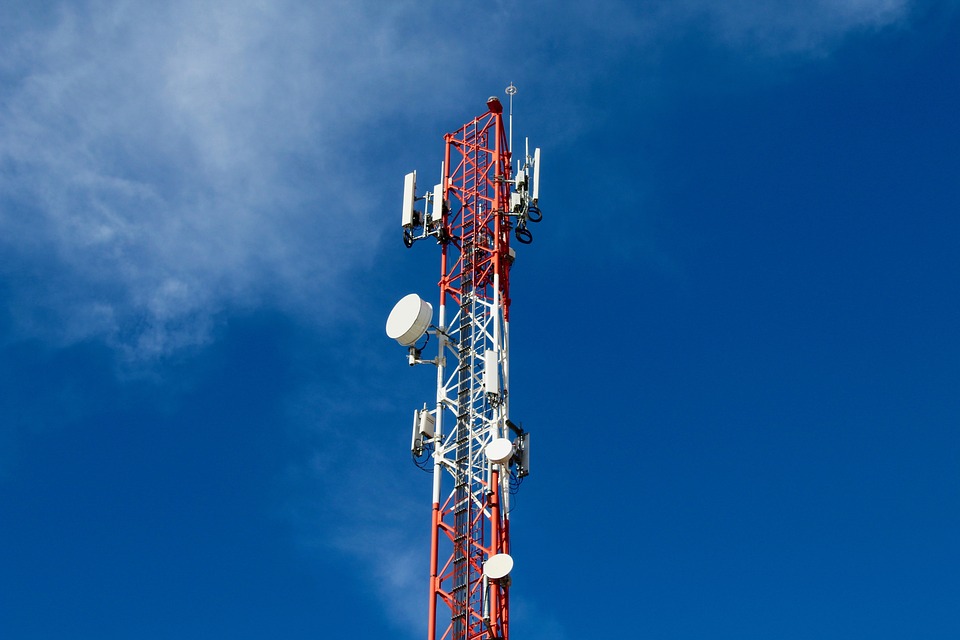
In an age defined by rapid technological advancements, the way we communicate has undergone a dramatic transformation. Gone are the days of waiting weeks for a letter to arrive; today, a message can be sent across the globe in the blink of an eye. From social media platforms to video conferencing tools, technology has not only made communication faster but has also broadened its reach, enabling people from diverse backgrounds to connect, collaborate, and share ideas like never before.
The Evolution of Communication Technology
The journey of communication technology spans centuries, beginning with the invention of the telegraph in the 19th century, which allowed for the first long-distance communication via electrical signals. This was followed by the telephone, revolutionizing the way people connected on a personal level. Fast forward to the 21st century, and social media platforms like Twitter, Facebook, and Instagram have become staple tools in everyday communication.
Moreover, the rise of mobile devices has been particularly transformative. According to the Statista Global Consumer Survey 2020, as of 2020, there were over 3.5 billion smartphone users worldwide, a number that continues to grow. These devices have made instantaneous communication a norm, allowing people to engage in real-time discussions across geographical boundaries.
Breaking Language Barriers
One of the most significant achievements of modern communication technology is its capability to bridge language gaps. Languages that once divided cultures can now be transcended thanks to various translation applications and software. Tools such as Google Translate and Microsoft Translator utilize advanced algorithms and machine learning to facilitate conversations among people who speak different languages.
The impact of this technology transcends personal interactions; businesses, too, have benefited immensely. Companies operating in multinational contexts can now communicate effectively with clients and partners worldwide, fostering better relationships and facilitating collaboration. As noted in a study by the McKinsey Global Institute, organizations that embrace multilingual communications experience a 20% increase in productivity.
Redefining Social Connections
Social media platforms have revolutionized how individuals maintain relationships. Friends and family separated by oceans can now share moments through photos, videos, and instant messages. Platforms like Facebook and WhatsApp provide users with real-time updates about each other’s lives, creating a sense of closeness that physical distance can hardly diminish.
This new mode of communication does not only help maintain existing relationships; it also facilitates new connections. Online communities thrive around shared interests, hobbies, or causes, breaking down social barriers and allowing people to interact in ways previously unimaginable. Niche platforms like Reddit or Discord have emerged, creating spaces for like-minded individuals to discuss topics from gaming to mental health, fostering a sense of belonging.
The Role of Video Conferencing
With the onset of the COVID-19 pandemic, video conferencing tools such as Zoom, Microsoft Teams, and Google Meet have become essential for both professional and personal interactions. Once primarily used in corporate settings, video calls have transitioned into our everyday lives, enabling virtual family gatherings, celebrations, and even weddings.
The immediacy and visual nature of video calls offer a richer experience than text-based communication. Nonverbal cues, such as facial expressions, convey emotion and intention, adding depth to conversations. A study published in the Frontiers in Psychology shows that video communication can enhance social presence, ultimately leading to improved relationship satisfaction.
The Risks of Digital Communication
However, as with any transformative technology, the rise of digital communication comes with its own set of challenges. Issues like misinformation, cyberbullying, and privacy concerns have emerged, raising questions about the integrity of online interactions. A 2021 report by Pew Research Center revealed that 64% of Americans feel that misinformation has a significant impact on their trust in news sources and social media platforms.
The anonymity of the internet can sometimes lead to a breakdown of social norms, contributing to toxic behavior. Additionally, while technology has connected people, it has also created a paradoxical sense of loneliness for some. A growing body of research suggests that excessive digital communication may inhibit meaningful face-to-face interactions, suggesting that balance is key.
Embracing the Future
As we look ahead, it is clear that technology will continue to shape communication in dynamic ways. Innovations such as artificial intelligence and virtual reality present exciting possibilities for the future. Imagine attending a virtual conference in an immersive environment or leveraging AI-driven tools for seamless global communication.
Ultimately, the role of technology in modern communication is both transformative and multifaceted. It has broken down barriers that once hindered relationships and collaborations, allowing us to connect in previously unimaginable ways. As we navigate the complexities of this digital age, fostering a responsible and balanced approach to technology will ensure that we can harness its power to enrich our lives and the lives of those around us.
Related Products
-
Cybersecurity 101: A Dummy’s Guide for Beginners
Product $14.99 -
Sale!
The Smartest Investment Book You’ll Ever Read: The…
Product Original price was: $24.00.$12.60Current price is: $12.60. -
What Would the Rockefellers Do?: How the Wealthy G…
Product $0.00


