



The landscape of business communication has undergone a seismic shift in recent years, reshaped by rapid technological innovation and evolving workplace cultures. What was once largely dominated by formal emails has now expanded to include a diverse array of communication tools and styles, from instant messaging and video calls to emojis and memes. These changes pose unique challenges and opportunities for professionals at all levels.
The Rise of Instant Messaging
At the heart of this transformation is the rise of instant messaging (IM) platforms such as Slack, Microsoft Teams, and WhatsApp. According to a report by Statista, the number of global messaging app users is projected to reach 3.3 billion by 2023. This surge represents a dramatic shift away from traditional email, which, while still a vital channel, is increasingly viewed as cumbersome and slow.
Unlike email, IM platforms enable real-time communication, allowing teams to resolve issues quickly, brainstorm ideas spontaneously, and foster a more informal environment. Many organizations have embraced this shift, appreciating how IM can enhance collaboration, improve response times, and even boost employee morale. However, this new immediacy doesn’t come without its challenges.
Embracing the Informal
As communication becomes more instantaneous, the need for formality has diminished. Many professionals find themselves navigating an unfamiliar territory where emojis and gifs pepper serious discussions. Such informal touchstones can serve to humanize interactions, making teams feel closer despite geographical distances.
However, the use of emojis in business communication raises questions about professionalism. A survey by Digital Marketing Institute found that nearly 70% of workers see emojis as a valid form of communication, yet 25% believe that using them can portray unprofessionalism. Striking a balance between friendly interaction and suitable conduct demands careful consideration, especially in high-stakes discussions.
“When you use emojis in professional settings, you’re often aiming to build rapport. Still, it’s crucial to read the room before hitting send.” – Dr. Susan H. Smith, Communication Expert
The Role of Video Communication
Along with IM, video communication has skyrocketed in popularity, further revolutionizing business interactions. Platforms like Zoom and Microsoft Teams allow for face-to-face meetings without the constraints of physical presence. A Gartner report projects that up to 75% of organizations will adopt a hybrid work model by 2024, underscoring the importance of effective video communication.
Video calls not only allow for more personal interactions but also enable professionals to gauge nonverbal cues, making discussions more dynamic. Yet, the fatigue associated with back-to-back video meetings—a phenomenon dubbed ‘Zoom fatigue’—cannot be ignored. Research by the University of Washington indicates that video calls tend to be more mentally taxing than in-person meetings.
The Balancing Act: Precision vs. Brevity
With communication becoming quicker and more casual, the expectations on professionals to convey information succinctly are heightening. Businesses face the challenge of maintaining clarity and professionalism while embracing a more relaxed tone. The key lies in mastering the art of brevity without sacrificing the message’s intent.
Effective communication now requires a new skill set: the ability to convey complex ideas in a digestible format, often utilizing bullet points, images, and even memes. However, this style of communication can lead to misunderstandings if not carefully executed. Clarity must remain paramount even amid brevity.
Future Trends: AI and Beyond
Looking ahead, innovations in artificial intelligence (AI) are set to further influence business communication. AI tools, capable of analyzing conversation styles and recommending adjustments, are evolving rapidly. They promise to optimize communication both in terms of content and timing. For instance, tools like Gong.io analyze sales calls to provide insights on how to improve messaging based on real interactions.
Additionally, the integration of language-processing AI tools into messaging platforms could streamline operations by auto-suggesting responses, translating messages, or even drafting emails—further enriching the communication landscape.
Conclusion
The transition from email to a more dynamic and nuanced form of business communication reflects the changing expectations of modern workplaces. While the emergence of tools like IM, video conferencing, and emojis enhances connectivity and collaboration, they also necessitate a new approach to professionalism and clarity. Navigating this exciting yet challenging landscape requires adaptability and awareness—skills that will be paramount for professionals striving to communicate effectively in the digital age.
Related Products
-
Sale!
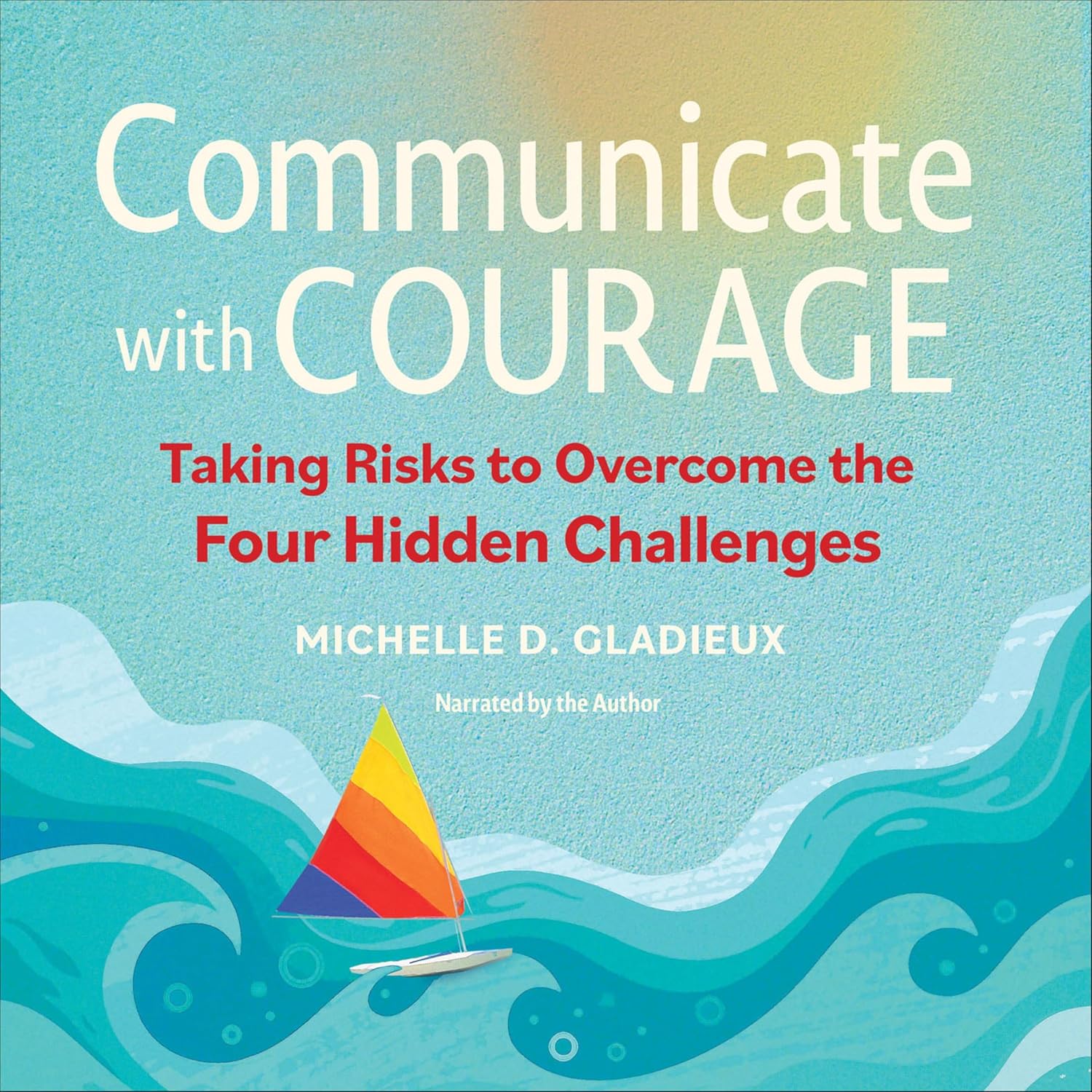
Communicate with Courage: Taking Risks to Overcome…
Product Original price was: $19.99.$3.99Current price is: $3.99. -
The Practical HR Business Partner: A Guide to Crea…
Product $14.95 -
Definitely Not Human – Paranormal Sci-Fi Alien Rom…
Product $0.99