

In the world of project management, success is not merely defined by timelines and budgets, but rather by the quality of relationships and the strength of dialogue among various stakeholders. As projects grow in complexity and scope, the ability to effectively engage and communicate with stakeholders becomes paramount. Whether you’re leading a small team or managing a large-scale initiative, mastering stakeholder communication is essential for seamless project integration and overall success.
In this article, we’ll explore the key strategies for fostering productive dialogues with stakeholders, identify common pitfalls to avoid, and highlight the integral role of communication in aligning project goals with stakeholder expectations. By honing your skills in stakeholder engagement, you can ensure that your projects not only proceed smoothly but also achieve their intended outcomes, driving value for both your association and the individuals involved. Join us as we delve into the art and science of stakeholder communication and uncover practical techniques to enhance your project integration efforts.
Table of Contents
- Understanding Stakeholder Roles and Expectations for Project Success
- Building Trust: Strategies for Fostering Open Communication with Stakeholders
- Effective Channels and Tools for Engaging Stakeholders Throughout the Project Lifecycle
- Measuring Impact: Evaluating Stakeholder Feedback to Enhance Project Integration
- To Conclude
Understanding Stakeholder Roles and Expectations for Project Success
To ensure the success of a project, it’s crucial to identify and understand the various stakeholder roles and their specific expectations. Stakeholders can range from project sponsors and team members to end users, each influencing the project in unique ways.By recognizing their interests, you can foster a positive working habitat and establish mutual trust.Key stakeholder roles include:
- Project Sponsor: Provides financial resources and approval on project objectives.
- Project Manager: Leads the project and coordinates among different teams.
- Team Members: Execute tasks to meet project goals.
- End Users: Offer insights based on how they will interact with the project deliverables.
Moreover, managing stakeholder expectations is a continuous process that requires consistent communication and feedback.A structured approach can help clarify objectives, address concerns, and adapt to changing requirements. Utilizing tools like a stakeholder register can aid in mapping out each stakeholder’s influence and stakes in the project. Below is an example of such a tool:
| Stakeholder | Role | Expectation |
|---|---|---|
| Jane Doe | Project Sponsor | Timely reporting and data transparency |
| John Smith | Team Lead | Resource availability and support |
| Emily Johnson | End User | User-friendly features and timely updates |
Building trust: Strategies for Fostering Open Communication with Stakeholders
Establishing a strong foundation for collaboration is essential in any project. To begin, actively listen to your stakeholders to understand their concerns and expectations. This involves not just hearing their words but also interpreting the underlying emotions and motivations.Implementing regular check-ins, such as weekly briefings or monthly updates, encourages ongoing dialogue. Create an environment where team members and stakeholders feel pleasant voicing their thoughts by minimizing hierarchies and fostering a sense of equality. Additionally, utilize various communication tools, from emails to video conferencing, tailored to the preferences of your audience to ensure messages resonate well and meet everyone’s needs.
Transparency is crucial in building trust, enabling stakeholders to feel like valued collaborators. Share insights about decision-making processes and project challenges openly to cultivate credibility.Develop a shared repository for crucial documents and updates, making facts easily accessible to all involved parties. Moreover, consider the following strategies:
- Encourage feedback: Implement formal feedback loops through surveys or suggestion boxes.
- Provide incentives: Recognize and reward stakeholders who actively participate in communication efforts.
- Align goals: Regularly revisit project objectives to ensure alignment between stakeholder interests and project direction.
| Strategy | Benefit |
|---|---|
| Active Listening | Enhances understanding and rapport |
| Regular Updates | maintains engagement and awareness |
| Open Transparency | Builds credibility and trust |
| Feedback Mechanisms | Encourages active participation |
Effective Channels and Tools for Engaging Stakeholders Throughout the Project Lifecycle
Engaging stakeholders effectively throughout the project lifecycle requires leveraging a variety of channels and tools tailored to different needs and preferences. To foster transparency and collaboration, consider utilizing online collaboration platforms that facilitate real-time communication and document sharing. Tools such as Trello, Slack, and Microsoft Teams not only help streamline conversations but also allow stakeholders to track project progress effortlessly. Additionally,the use of project management software can enhance accountability and provide a centralized hub for updates,milestones,and feedback.
Moreover, incorporating regular touchpoints like status meetings, stakeholder surveys, and feedback sessions can significantly enrich stakeholder engagement. These interactions encourage open dialogue, ensuring that stakeholders feel valued and heard. Moreover, establishing a clear communication plan that defines the frequency and format of updates is crucial. Here’s a simple table that outlines various stakeholder communication methods along with their benefits:
| Communication Method | Benefits |
|---|---|
| Email Updates | Allows for detailed information sharing; accessible anytime |
| Digital Surveys | Gathers insights and opinions from stakeholders effectively |
| In-Person Meetings | Facilitates personal connection and deeper discussions |
| Webinars | Delivers information to a wider audience with visual aids |
Measuring Impact: Evaluating Stakeholder Feedback to Enhance Project Integration
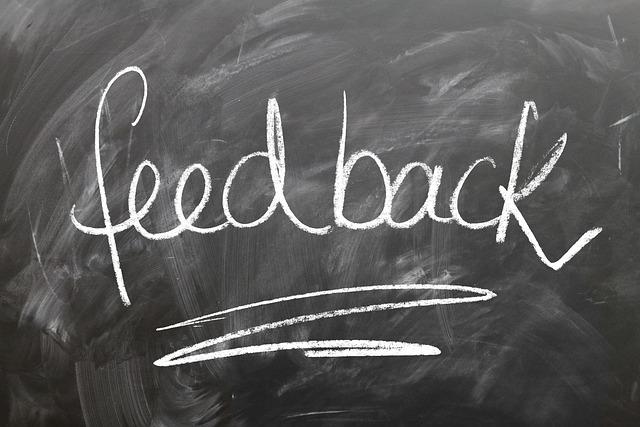
Evaluating stakeholder feedback is a critical component in refining and enhancing project integration. It enables project managers and teams to identify alignment with stakeholder expectations and respond proactively to any concerns that surface. By implementing structured feedback mechanisms, such as surveys and interviews, organizations can gather invaluable insights. Some effective methods include:
- Focus Group Discussions: Engaging a diverse group of stakeholders to discuss specific project elements.
- Surveys and Polls: Distributing questionnaires to gather quantitative data on stakeholder satisfaction.
- One-on-One Interviews: Conducting in-depth interviews for detailed feedback.
Once feedback is collected, the emphasis should shift to analyzing and integrating these insights into project planning and execution. Utilizing tables to reflect key feedback trends can effectively summarize the data for quick reference. As an example:
| Feedback Type | Implementation Status |
|---|---|
| Positive Feedback | Incorporated with no further actions needed |
| Suggestions for Betterment | Under review for potential integration |
| Critical Concerns | Action plan developed for immediate addressing |
Using a systematic approach to feedback analysis not only promotes transparency but also encourages ongoing engagement with stakeholders, reinforcing a collaborative project environment. This continuous loop of evaluation and adaptation fosters a culture of improvement that significantly boosts project integration and overall success.
To Conclude
As we conclude our exploration of mastering stakeholder communication for effective project integration, it’s clear that successful project outcomes hinge on the strength of your communication strategies. By actively engaging stakeholders, fostering open dialogue, and tailoring your messages to meet their needs, you can create an environment conducive to collaboration and innovation.
Remember, effective communication is not just about sharing information; it’s about building relationships and trust. Equip yourself with the tools and techniques discussed in this article, and you’ll be well on your way to not only meeting your project goals but exceeding them.
Embrace the dynamic nature of stakeholder communication, and keep refining your approach as you gain new insights. In today’s interconnected world, the ability to align diverse perspectives is a critical skill that can make all the difference in your projects.
We hope this article has provided you with valuable strategies to enhance your stakeholder communication efforts. Let’s continue the conversation-share your insights, experiences, or questions in the comments below, and together, let’s elevate the standards of project integration.Happy communicating!
Related Products
-
Sale!
Communicate with Courage: Taking Risks to Overcome…
Product Original price was: $19.99.$3.99Current price is: $3.99. -
The Practical HR Business Partner: A Guide to Crea…
Product $14.95 -
Definitely Not Human – Paranormal Sci-Fi Alien Rom…
Product $0.99