


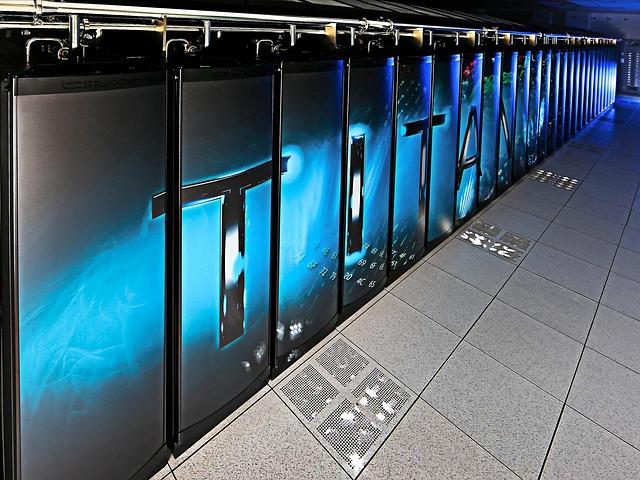
In today’s fast-paced digital landscape, where every millisecond counts, the backbone of any successful operation-whether it’s an enterprise-level corporation or a budding startup-lies in its technological infrastructure. High-performance servers have emerged as crucial players in this arena,enabling organizations to maximize efficiency,streamline operations,adn ultimately drive innovation. With the relentless increase in data demands and the growing complexity of applications, relying on average hardware simply won’t cut it anymore. in this article, we’ll explore why high-performance servers are not just an upgrade, but a strategic necessity for businesses aiming to stay competitive in an ever-evolving marketplace. From enhanced processing power to superior reliability, we’ll delve into the key features that make these powerful machines indispensable for optimizing efficiency and supporting growth. Whether you’re considering a server upgrade or just looking to understand how performance impacts your organization’s bottom line,this guide is here to illuminate the path to technological excellence.
table of Contents
- Understanding the Role of High-Performance Servers in Modern Enterprises
- Key features That Define High-Performance Servers and Enhance Efficiency
- Best Practices for Implementing High-Performance Servers in Your Infrastructure
- Evaluating the Cost-Benefit Analysis of Upgrading to High-Performance Systems
- The Conclusion
Understanding the Role of High-Performance Servers in Modern Enterprises
High-performance servers serve as the backbone of modern enterprises, enabling them to process large volumes of data swiftly and efficiently.These servers are designed to handle the rigorous demands of contemporary applications, ensuring that businesses can operate seamlessly, even under peak loads.The advantages of implementing high-performance servers include:
- Enhanced speed: Rapid data processing allows for quicker decision-making and responsiveness.
- Scalability: Organizations can easily expand their operations without worrying about server limitations.
- Increased Reliability: High-performance servers often come with redundancy features, reducing downtime and maintaining business continuity.
Moreover, the integration of high-performance servers contributes considerably to a company’s competitive edge. Companies leveraging these advanced infrastructures can analyze customer data in real time, leading to tailored services and improved customer experiences. Below is a swift comparison of standard servers versus high-performance servers:
| Feature | Standard Servers | High-Performance Servers |
|---|---|---|
| Processing Power | Basic | Advanced |
| Data Throughput | Moderate | High |
| Cost | Lower Initial Investment | Higher, but Greater ROI |
Key Features That Define High-Performance Servers and Enhance Efficiency
High-performance servers are the backbone of modern businesses, designed to handle intensive workloads and provide exceptional efficiency. These servers typically boast features such as advanced processing power, leveraging multi-core CPUs to support parallel processing, which is crucial for data-heavy applications.Additionally, scalability is a key aspect; businesses can easily upgrade and expand their infrastructures to meet growing demands without meaningful downtime. The integration of solid-state drives (SSDs) enhances data retrieval speeds, significantly accelerating request performance and improving response times.
Moreover,efficient cooling systems play a vital role in maintaining optimal performance levels,ensuring stability during peak usage. High-performance servers often incorporate virtualization capabilities, allowing multiple operating systems and applications to run on a single physical server, thus optimizing resource utilization. Other importent features include robust security protocols to safeguard sensitive information and ensure integrity, and also smart management tools that streamline monitoring and maintenance tasks. Each of these elements contributes to a resilient and high-functioning IT infrastructure that supports business continuity and maximizes productivity.
Best Practices for Implementing High-Performance Servers in Your Infrastructure
When implementing high-performance servers,it’s crucial to first assess your organization’s specific needs and workload demands. Conduct a extensive analysis to determine the types of applications and services that will benefit from enhanced server capabilities. Consider the following factors:
- Scalability: Ensure the server can grow with your business; it should support additional hardware like RAM and storage as needed.
- Reliability: Opt for servers with built-in redundancy features to minimize downtime and maintain service continuity.
- Processing Power: Choose processors that are optimized for your specific applications, considering options that support multi-threading and high core counts.
Once you’ve established your requirements, focus on network integration and management systems to enhance performance further. A well-structured deployment can make a remarkable difference.Implement strategies to optimize data flow and dialog across your infrastructure:
- Virtualization: Utilize virtualization technologies to maximize resource utilization and decrease hardware dependency.
- Load Balancing: Distribute workloads across multiple servers to prevent bottlenecks and ensure smooth operations.
- Monitoring Tools: Invest in real-time monitoring solutions to keep tabs on server performance and quickly address any issues that arise.
| Feature | Importance |
|---|---|
| High Availability | Ensures uninterrupted service |
| Security Protocols | Protects sensitive data |
| Energy Efficiency | Reduces operating costs |
Evaluating the Cost-Benefit Analysis of Upgrading to High-performance Systems
Investing in high-performance systems is not merely an expenditure; it is a strategic decision that can significantly enhance both operational efficiency and profitability. When evaluating the cost-benefit analysis, it’s essential to consider not just the immediate financial outlay but also the long-term gains. Factors such as increased processing power, reduced downtime, and improved energy efficiency can lead to substantial savings over time. A thorough assessment involves calculating the total cost of ownership (TCO) against the potential return on investment (ROI).
A comparative analysis can help in visualizing these benefits. Consider a table that outlines the key performance indicators before and after an upgrade:
| Performance Metric | Before Upgrade | After Upgrade |
|---|---|---|
| Processing Speed | 2.5 GHz | 4.5 GHz |
| Annual Downtime | 120 hours | 30 hours |
| Energy Consumption | 5000 kWh | 3000 kWh |
Through this data, organizations can clearly see how upgrading to high-performance systems translates into quantifiable improvements. While the initial investment might be high, the operational advantages justify this decision, ensuring that the systems will pay for themselves in the long run. An effective cost-benefit evaluation should therefore incorporate not only direct financial metrics but also qualitative factors like improved user experiance and enhanced customer satisfaction.
The Conclusion
the importance of high-performance servers cannot be understated in today’s data-driven landscape. By maximizing efficiency through the right hardware, businesses can enhance their operational capabilities, improve response times, and ultimately drive higher levels of customer satisfaction. The investment in cutting-edge server technology not only streamlines workflows but also positions organizations to scale seamlessly,adapt to emerging challenges,and seize new opportunities.
As we move forward, leaders must prioritize the integration of these powerful servers into their IT infrastructure to remain competitive. Remember, a high-performance server isn’t just a technical asset; it’s a strategic advantage that empowers businesses to fully leverage their data, explore innovative solutions, and stay ahead of the curve.
Thank you for exploring this vital topic with us.We encourage you to share your thoughts and experiences in the comments below. Let’s continue the conversation about how we can all maximize our operational efficiency in this ever-evolving digital world!
Related Products
-
Sale!
The Smartest Investment Book You’ll Ever Read: The…
Product Original price was: $24.00.$12.60Current price is: $12.60. -
What Would the Rockefellers Do?: How the Wealthy G…
Product $0.00 -
Sale!
Alpha for the Pack: M/M/M/M/M/M Dark Romance Mpreg…
Product Original price was: $15.99.$0.99Current price is: $0.99.


