



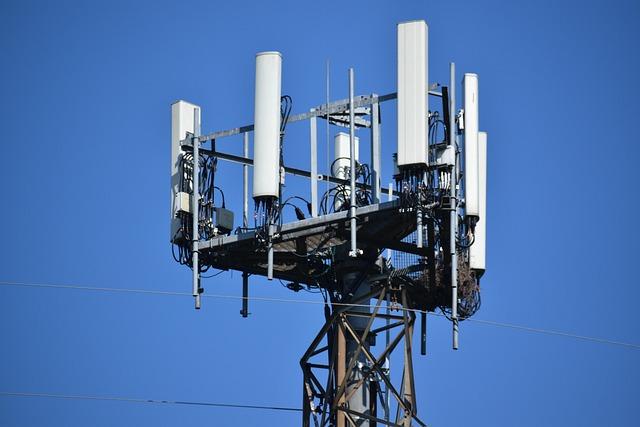
In an era where connectivity is the backbone of innovation, the advent of 5G technology is poised to redefine the landscape of networking infrastructure. No longer a mere buzzword, 5G represents a monumental leap forward, promising to deliver faster speeds, lower latency, and the capability to connect an unprecedented number of devices together. As industries across the globe begin to harness the potential of this next-generation technology, the implications for sectors ranging from healthcare to transportation and beyond are profound.
In this article, we delve into the transformative power of 5G, exploring how it is indeed reshaping our understanding of connectivity and enabling a wave of advancements previously thought to be the stuff of science fiction. We will examine the technical intricacies behind this revolutionary network, the challenges of its rollout, and the myriad applications that are set to benefit from its deployment. Join us as we uncover the ways in which 5G is not just a new standard for mobile interaction, but a catalyst for a more interconnected and efficient world.
Table of Contents
- Exploring the Technological Foundations of 5G Infrastructure
- Enhancing Network Performance and Reliability through 5G innovation
- driving Economic Growth with 5G: Opportunities for Businesses and Consumers
- Implementing 5G: Best Practices for a Seamless Transition in Connectivity
- In Retrospect
Exploring the Technological Foundations of 5G Infrastructure
The evolution of mobile technology to 5G marks a significant leap in how data is transmitted and received, grounded in a series of sophisticated and innovative technological advancements. The primary architecture of 5G is characterized by its use of millimeter waves, which operate at higher frequencies than previous generations, allowing for greater data transfer speeds and increased capacity to handle many connected devices simultaneously.Coupled with massive MIMO (Multiple Input Multiple Output) technology, 5G networks can leverage numerous antennas at both the transmitter and receiver ends to enhance signal quality and extend coverage.This multi-faceted approach enables unprecedented levels of connectivity for both enterprises and consumers, paving the way for smart cities, autonomous vehicles, and other transformative applications.
Another cornerstone of 5G infrastructure is network slicing, a revolutionary concept that allows operators to create multiple virtual networks within a single physical one. This enables tailored services for different user needs-whether for high-speed streaming video or low-latency connections for gaming and IoT devices. Furthermore, the integration of edge computing is essential, as it shifts data processing closer to the end-users, substantially reducing latency and improving service efficiency. together, these technologies form a foundation for a more resilient, versatile, and responsive digital landscape, which will undoubtedly reshape various industries and enhance user experiences in ways previously thought impossible.
Enhancing Network Performance and Reliability through 5G Innovation
The advent of 5G technology marks a pivotal shift in the landscape of networking. By leveraging advanced millimeter wave frequencies,massive MIMO (Multiple Input Multiple Output),and network slicing,organizations are poised to enhance their network performance dramatically. This new infrastructure streamlines data transmission, allowing for lower latency and higher throughput, which are essential for applications requiring instantaneous connectivity. With these innovations,companies can expect not only increased bandwidth but also improved reliability,ensuring that critical operations can run smoothly without interruptions.
Furthermore, the potential of 5G extends beyond mere speed enhancements; it facilitates the Internet of Things (IoT) by enabling a vast number of connected devices to communicate efficiently. This capability is vital for smart cities, automated manufacturing, and remote healthcare, where timely data exchange is crucial. To better illustrate the benefits, consider the following comparison of performance metrics between 4G and 5G:
| metric | 4G | 5G |
|---|---|---|
| maximum Speed | 1 Gbps | 20 Gbps |
| Latency | 30-50 ms | 1 ms |
| Device Density | 1000 devices/km² | 1 million devices/km² |
This transformation paves the way for a more interconnected world, where enhanced network infrastructures support innovative services and seamless connectivity. By adopting 5G, businesses are not just embracing a new technology; they are future-proofing their operations to meet the demands of an increasingly digital landscape.
Driving Economic Growth with 5G: Opportunities for Businesses and Consumers
The advent of 5G technology is set to revolutionize the way businesses operate and consumers interact with the digital landscape. By providing unparalleled speed and connectivity, 5G opens up a myriad of opportunities, driving economic growth across multiple sectors. Businesses can leverage 5G to enhance operational efficiency, streamline processes, and improve customer engagement through real-time data analytics and enhanced communication tools. This technological leap enables the deployment of smart devices and IoT solutions that can transform industries ranging from manufacturing to healthcare.
for consumers, the impact of 5G goes beyond just faster internet. The increased bandwidth allows for seamless streaming, immersive augmented and virtual reality experiences, and the introduction of innovative services such as smart homes and connected cars. Additionally, the proliferation of 5G-enabled applications will cater to the growing demand for remote work solutions and digital entertainment.As businesses adapt to these changes, they will not only enhance their service offerings but also create new job opportunities, ultimately fostering a more vibrant and connected economy.
Implementing 5G: Best Practices for a Seamless Transition in Connectivity
As organizations embark on the journey to implement 5G, establishing a structured framework is vital for minimizing disruptions and enhancing overall connectivity. A comprehensive network assessment should be conducted to understand existing infrastructure strengths and weaknesses. Key considerations include:
- Site Survey: Identify optimal locations for network equipment, taking into account signal strength and potential obstructions.
- Vendor Collaboration: Engage with reliable vendors who can support the transition process with cutting-edge technology and solutions.
- Regulatory compliance: ensure all upgrades adhere to local and federal regulations governing telecommunications.
In parallel, investing in robust training programs for staff will ensure they are equipped to handle new systems and technologies. Incorporating a phased rollout strategy can also yield significant benefits by allowing for real-time feedback and adjustments. Consider the following best practices:
| Phase | Objective | Timeline |
|---|---|---|
| 1 | Infrastructure Setup | 1-3 months |
| 2 | Testing & Optimization | 4-6 Months |
| 3 | Full Deployment | 7-12 months |
By following these guidelines,organizations will not only ensure a smoother transition to 5G but also pave the way for unprecedented advancements in their digital capabilities.
In Retrospect
As we stand on the brink of a new era in connectivity, the transformative power of 5G technology is becoming increasingly evident. From enhancing networking infrastructure to enabling seamless communication across various sectors, 5G is set to revolutionize how we interact with the digital world. Whether it’s driving innovations in smart cities, improving healthcare delivery, or fueling advancements in the Internet of Things (IoT), the potential applications are vast and varied.
however, harnessing this technology is not without its challenges. As organizations and governments invest in the necessary infrastructure and navigate regulatory landscapes, it is essential to prioritize security, interoperability, and sustainability. A concerted effort from all stakeholders will be crucial in ensuring that the benefits of 5G are realized in an equitable and responsible manner.
unleashing the full potential of 5G will require collaboration and forward-thinking strategies as we continue to adapt to an ever-evolving technological landscape. As we embrace these changes, we invite you to stay curious and engaged-because the future of connectivity is not just about speed; it’s about the opportunities that lie ahead. Let’s embark on this exciting journey together!
Related Products
-
Sale!
Alpha for the Pack: M/M/M/M/M/M Dark Romance Mpreg…
Product Original price was: $15.99.$0.99Current price is: $0.99. -
Sale!
Communicate with Courage: Taking Risks to Overcome…
Product Original price was: $19.99.$3.99Current price is: $3.99. -
The Practical HR Business Partner: A Guide to Crea…
Product $14.95